%2Ffit-in%2F250x250%2Fguide_websites%2F14181%2Fimages%2F1711255404080codylogo.jpg&w=1920&q=100)
/users/73050cdc-c1fb-4943-8b73-cb7cf9416d9f/ratecard/bd310e0b55f4934fa7416a8a0fa02873.jpg)
%2F300x300%2Fusers%2F73050cdc-c1fb-4943-8b73-cb7cf9416d9f%2Fratecard%2Fbd310e0b55f4934fa7416a8a0fa02873.jpg&w=256&q=75)
%2F300x300%2Fusers%2F73050cdc-c1fb-4943-8b73-cb7cf9416d9f%2Fimages%2Ftexas-city-deep-sea-fishing-3802.png&w=256&q=75)
%2F300x300%2Fusers%2F73050cdc-c1fb-4943-8b73-cb7cf9416d9f%2Fimages%2Flone-angler-texas-city-fishing-2864.jpeg&w=256&q=75)
%2F300x300%2Fusers%2F73050cdc-c1fb-4943-8b73-cb7cf9416d9f%2Fimages%2Fblack-drum-fish-texas-city-2900.jpeg&w=256&q=75)
%2F300x300%2Fusers%2F73050cdc-c1fb-4943-8b73-cb7cf9416d9f%2Fimages%2Fspotted-weakfish-texas-city-2616.jpg&w=256&q=75)
%2F300x300%2Fusers%2F73050cdc-c1fb-4943-8b73-cb7cf9416d9f%2Fimages%2Ffishing-adventure-in-tx-2458.jpg&w=256&q=75)
%2F300x300%2Fusers%2F73050cdc-c1fb-4943-8b73-cb7cf9416d9f%2Fimages%2Fspotted-weakfish-texas-city-2456.jpg&w=256&q=75)
%2F300x300%2Fusers%2F73050cdc-c1fb-4943-8b73-cb7cf9416d9f%2Fimages%2F7-spotted-weakfish-tx-fishing-2621.jpg&w=256&q=75)
%2F300x300%2Fusers%2F73050cdc-c1fb-4943-8b73-cb7cf9416d9f%2Fimages%2Fspotted-weakfish-texas-city-2775.jpg&w=256&q=75)
%2F300x300%2Fusers%2F73050cdc-c1fb-4943-8b73-cb7cf9416d9f%2Fimages%2Fanglers-catch-7-fish-texas-2617.jpg&w=256&q=75)
%2F300x300%2Fusers%2F73050cdc-c1fb-4943-8b73-cb7cf9416d9f%2Fimages%2Ffour-huge-fish-texas-city-2529.jpg&w=256&q=75)
World-Class Inshore Fishing in Jamaica Beach, TX
 Texas
Texas What you will be catching:
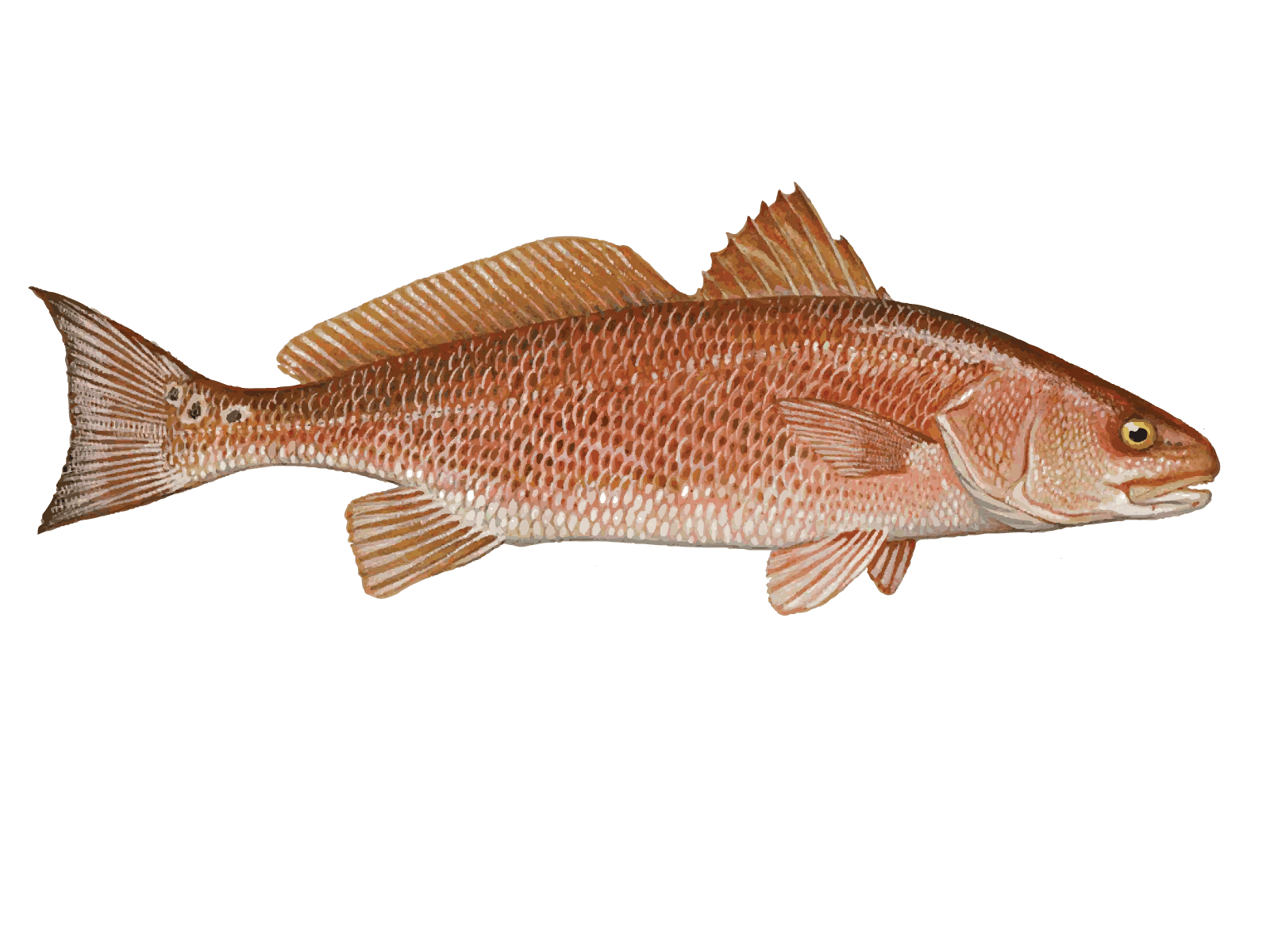
 Redfish
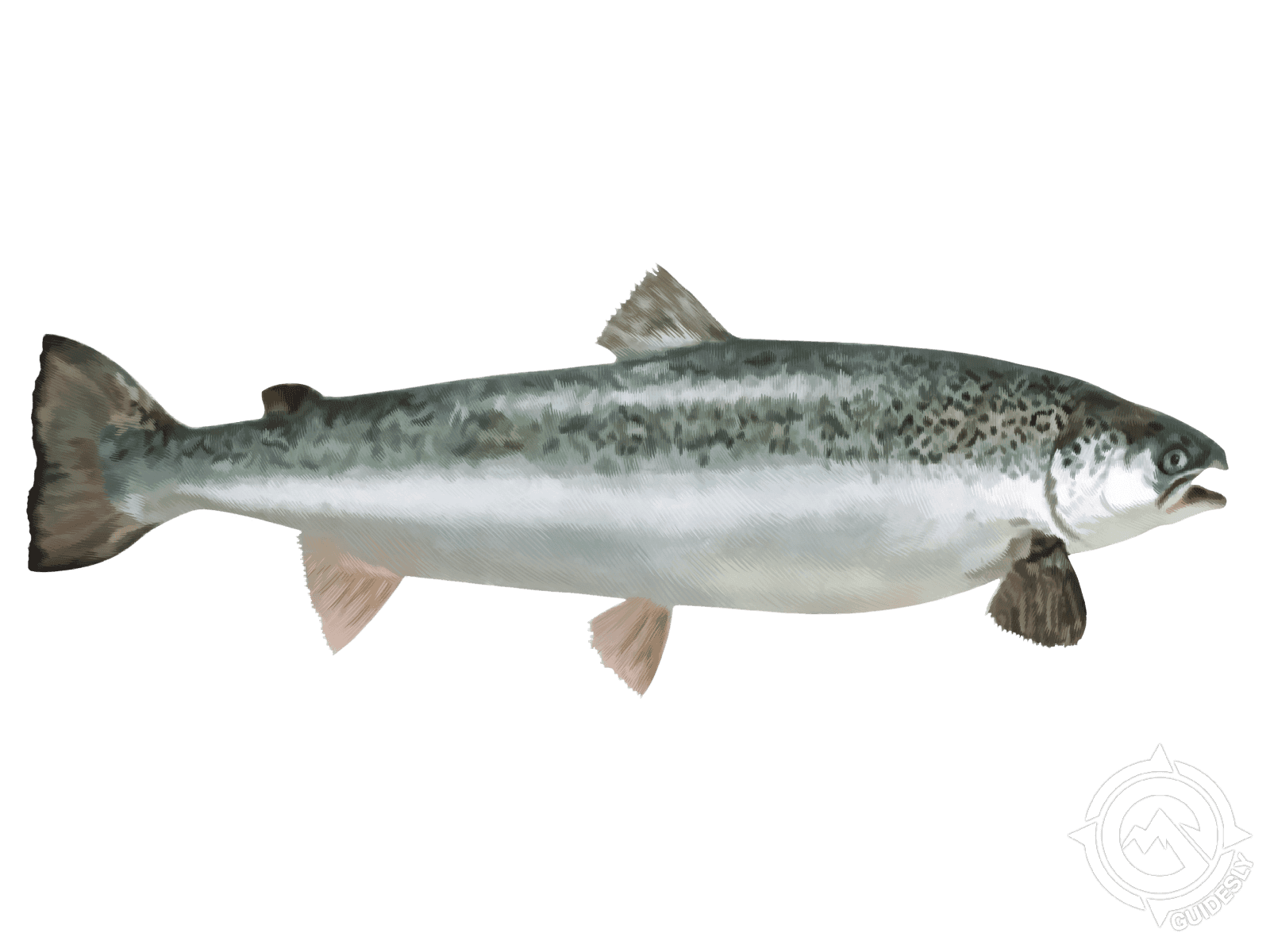
 Sea Trout
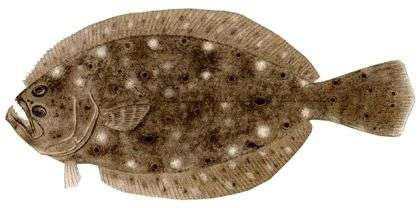
 Summer Flounder
- 6-hour early morning charter departing 6 AM for optimal fishing conditions
- Target Redfish and Speckled Trout with all equipment and guidance provided
- Suitable for all skill levels in calm inshore waters
Trip Pricing and Availabilities:
Reel in the Redfish: Jamaica Beach's Best Kept Secret
Hey there, fellow angler! Ready to wet a line in one of Texas' hidden gems? Our Extended Half Day trip out of Jamaica Beach is just the ticket. We're talking six solid hours of prime fishing time, kicking off at the crack of dawn when the fish are hungry and the water's calm. Whether you're a seasoned pro or just getting your feet wet, this trip's got something for everyone. We'll be chasing after some of the Gulf Coast's most prized inshore species – redfish, speckled trout, and whatever else decides to crash our party. So grab your hat and let's dive into what makes this trip a must-do for any serious fisherman.
What to Expect on the Water
Alright, let's break it down. We'll meet up at the dock while most folks are still hitting the snooze button. That 6 AM start time isn't just to torture you – it's when the fish are most active and the bay is like glass. We'll load up the boat with all the gear you need (yep, it's all included) and hit the water running. Over the next six hours, we'll hop from spot to spot, giving you the full tour of Jamaica Beach's best fishing holes. I'm talking grass flats, oyster reefs, and maybe even a secret spot or two if you're nice. We'll be using light tackle and live bait, perfect for enticing those wary reds and trout. And don't worry if you're new to this – I'll be right there to show you the ropes, from casting to reeling in the big one.
Techniques That Land the Lunkers
Now, let's talk strategy. Inshore fishing is an art, and we've got all the tricks up our sleeve. We'll start with some good ol' bottom fishing, dragging soft plastics or live shrimp along those oyster reefs where the redfish love to hide. As the sun gets higher, we might switch to topwater lures – there's nothing like watching a big trout explode on a lure skittering across the surface. If the tide's right, we could even do some sight casting in the shallows. That's where you'll really get your heart pumping, spotting those big reds tailing in just inches of water. Throughout the trip, I'll be showing you how to read the water, spot structure, and present your bait just right. By the time we're done, you'll be fishing like a local.
Species You'll Want to Hook
Let's chat about what's swimming around out there. First up, the mighty redfish. These copper-colored bruisers are the kings of the flats, known for their hard-pulling fights and that distinctive black spot on their tail. They love to cruise the shallows, especially around grass beds and oyster reefs. In the fall, we sometimes hook into bull reds – monsters over 30 inches that'll test your drag and your biceps.
Then there's the speckled trout, or "specks" as we call 'em. These guys are the bread and butter of inshore fishing. They're beautiful fish, with a mouth full of teeth and a body covered in, well, speckles. Trout are ambush predators, so we'll target them around structure or in the deeper holes. The best part? They're delicious on the grill.
Don't forget about the summer flounder, or "flatties" as some folks call 'em. These oddball fish might look weird with both eyes on one side, but they're sneaky predators and put up a great fight. We'll look for them on sandy bottoms or around drop-offs. They're masters of camouflage, so spotting them is half the fun. And let me tell you, there's nothing quite like the taste of fresh flounder.
Why Anglers Keep Coming Back
Look, I could go on all day about the fishing, but it's more than just that. It's about being out on the water as the sun comes up, watching the pelicans dive-bomb for their breakfast. It's about the rush you get when your rod bends double and the reel starts screaming. It's about swapping stories and laughs between casts, and maybe even learning a thing or two about the ecosystem we're fishing in. And let's be honest – it's about the bragging rights when you bring home a cooler full of fish for dinner. This trip is designed to give you the full Jamaica Beach experience, from the best fishing spots to the local knowledge that only comes from years on these waters.
Time to Book Your Spot
Alright, I've talked your ear off, but here's the bottom line: if you want to experience some of the best inshore fishing Texas has to offer, this is your chance. We've got the boat, the gear, and the know-how to put you on fish. All you need to bring is your sense of adventure (and maybe a cooler for your catch). Whether you're looking to bend a rod with the family, show up your buddies, or just escape the grind for a morning, we've got you covered. Spots fill up fast, especially during peak seasons, so don't wait to lock in your date. Give us a call or hit that 'Book Now' button – the fish are waiting, and so are we. Let's make some memories on the water!
Learn more about the species
Redfish
Redfish, or Red Drum, are the stars of our inshore waters. You can't miss 'em with that signature spot near the tail. These copper-colored beauties typically run 20 to 30 inches, but trophy "bull reds" can push 45 inches and 50 pounds. Look for them in super shallow water, sometimes with their backs out of the water! They love hanging around oyster reefs, grass flats, and marshy areas in 1 to 4 feet of water. Fall is prime time when they school up, but you can catch 'em year-round. Anglers go nuts for redfish because they're hard fighters and taste great on the grill. To land one, try sight-casting with topwater lures or gold spoons in clear shallows. Pro tip: on windy days, focus on muddy water areas. Redfish use their senses of smell and vibration to hunt, giving you an edge when visibility is low. Just be ready for that drag-screaming run when they hit!
Sea Trout
Sea Trout, also known as Speckled Trout, are a favorite among our inshore anglers. These silvery, spotted fish typically range from 14 to 24 inches, though some monsters can hit 40 pounds. You'll find them in grass flats and shallow waters, especially at night. They love estuaries and coastal areas with a mix of fresh and saltwater. Spring and fall are prime seasons, but winter can be great too when they school up in deeper channels. Anglers prize Sea Trout for their light, flaky meat and the exciting topwater action they provide. They're aggressive feeders and will hit a variety of lures. For best results, try using soft plastics or topwater plugs early in the morning or late evening. Here's a local tip: when you spot diving birds, there's a good chance Sea Trout are feeding below. Cast into the frenzy and hold on tight – these fighters put up a great battle on light tackle.
Summer Flounder
Summer Flounder are masters of camouflage, earning the nickname "chameleons of the sea." These flatfish, with both eyes on the left side, blend perfectly with the seafloor. Typically 15-20 inches long, they're ambush predators, lying in wait for smaller fish and crustaceans. You'll find them in coastal waters and estuaries, often in depths of 20-60 feet. Fall is prime time for flounder fishing, especially September through November. Anglers love targeting them for their delicate, white meat and the challenge of spotting them. To improve your chances, use live bait like minnows or mullet, hooked through the eyes. A local trick: when you feel a bite, wait a few seconds before setting the hook. Flounder often grab the bait and move it to their mouths before fully committing. This patience can mean the difference between a catch and a miss.
About the Texas Coast Fishing Boat
%2F%2Fusers%2F73050cdc-c1fb-4943-8b73-cb7cf9416d9f%2Fvehicle_picture%2Fboat.jpg&w=1920&q=75)
Vehicle Guest Capacity: 6
Manufacturer Name: Yamaha
Maximum Cruising Speed: 50
Number of Engines: 1
Horsepower per Engine: 300
Ready for an early morning adventure on the Texas coast? Our 6-hour guided fishing trip leaves Jamaica Beach at 6 AM, giving you prime time on the water. We'll cruise the inshore waters in search of prized catches like redfish and speckled trout. Don't worry about gear - we provide quality rods, reels, and bait so you can focus on reeling in the big ones. This trip is perfect whether you're a seasoned angler or trying fishing for the first time. With a full six hours, we'll hit multiple hotspots to maximize your chances of a great catch. Bring the family, grab some friends, or come solo - our experienced captain will ensure everyone has a blast. Book your spot now for a fun-filled morning of fishing in the beautiful waters off Jamaica Beach.